
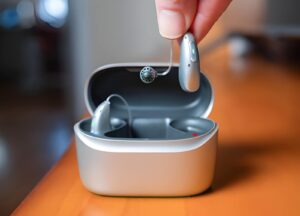
Picture this. An elderly parent keeps asking you to repeat yourself at the dinner table. The TV volume is creeping up every week. They laugh along at conversations they cannot quite follow because it is easier than admitting there is a problem. Sound familiar? This is a scenario that plays out in households across South Africa every day, and when a hearing assessment finally happens and an audiologist recommends hearing devices, the first real shock is not the diagnosis. It is the price.
Understanding the cost of hearing aids in South Africa is genuinely important before you walk into a clinic, because the range is enormous, the variables are many, and without some preparation, the invoice at the end of the process can feel overwhelming. This guide covers what you actually need to know.
Quick Answer
Hearing aid prices in South Africa vary significantly based on technology level, style, and the professional services included. You can expect to pay around R5,000 to R60,000 per ear, depending on the model and features you choose. Most medical aids contribute to the cost, but rarely cover the full amount. Planning for a shortfall is almost always necessary.
Why Hearing Aids Cost What They Do
A lot of people assume hearing aids are overpriced. Some of that frustration is understandable. But there is more going on in these devices than most people realise. Modern hearing aids are extraordinarily complex pieces of technology. The six largest hearing aid manufacturers spend over R500 million annually on developing hearing instruments. That research cost gets built into the device pricing. You are also paying for a product that has to pass regulatory standards across multiple countries, be manufactured with micro-precision, and carry warranty and repair support for years after purchase.
Beyond the device itself, the price you pay at an audiology practice includes professional services. A registered audiologist does not just hand you a box. They conduct a diagnostic hearing assessment, programme the device specifically to your hearing profile, fit it correctly, and then follow up with adjustments over weeks and months. The price of a hearing aid includes some of the valuable services provided by the professional, which differ from person to person based on individual needs. That service component is not a padding of the invoice. It is genuinely part of what makes a hearing aid work properly.
The Technology Tiers: What Each Level Costs
Hearing aids in South Africa are broadly categorised by their technology level, and the price differences between tiers are meaningful. Here is a practical breakdown of what each level typically costs per device, not per pair:
Basic technology devices range from around R10,000 to R17,000 per hearing aid. These suit mild to moderate hearing loss in relatively straightforward listening environments. They offer digital processing and are a legitimate step up from nothing, but they struggle in background noise.
Essential technology sits between R17,000 and R23,000 per device. This tier adds better noise management and more processing channels, making conversations in busier environments more manageable.
Standard technology ranges from R23,000 to R29,000 per hearing aid. This level offers improved directional microphone performance and better automatic adjustment across different environments.
Advanced technology runs from R30,000 to R40,000 per device, with features like Bluetooth streaming, improved speech recognition, and rechargeable batteries becoming standard at this level.
Premium technology at R45,000 to R55,000 per hearing aid represents the top of the market. These devices feature highly advanced technology including Bluetooth streaming, directional microphones, automatic sound adjustment, and rechargeable batteries. Artificial intelligence that adapts to your listening environment in real time sits at this tier too.
Most people needing hearing aids in both ears are looking at a minimum of R20,000 to R34,000 for a basic pair, and R90,000 to R110,000 for a premium pair. That is the real-world range, and it is wide.
The Hidden Costs People Do Not Anticipate
This is where the full picture gets more complicated. The device price is one thing. The total cost of owning and maintaining hearing aids over time is another.
An initial hearing assessment with a registered audiologist typically costs between R500 and R2,000, depending on the practice and the extent of testing required. Some practices absorb this into the device purchase. Others charge it separately.
Batteries add up. Disposable battery users can spend R100 to R300 per month per device depending on battery size and usage. Rechargeable devices eliminate this running cost but come at a higher initial price. Over a five-year device lifespan, battery costs are not trivial.
Repairs after the warranty period ends can cost anywhere from R500 to several thousand rands depending on what has failed. Moisture, dust, and earwax are the enemies of hearing aids. Proper maintenance extends device life significantly, but it requires regular professional cleaning which usually carries a service fee.
Replacement cycles matter too. Most schemes enforce a strict five-year replacement rule, and pre-approval must be obtained before purchasing new devices. So if your hearing aid fails or your hearing changes significantly outside of that cycle, scheme benefits may not apply until the period resets.
A practical tip that most people overlook: ask your audiologist upfront whether their quoted price includes a set number of follow-up appointments, adjustments, and a cleaning kit. Some practices include all of this as part of the purchase. Others bill separately for each visit. Over a three to five year period, that difference in after-sale service arrangements can amount to thousands of rands.
What Medical Aid Covers and What It Does Not
Hearing aids are generally covered by most medical aids in South Africa, although benefits differ depending on your medical aid and the plan you are on. Hearing aids are often covered from a separate appliances fund, while others use the benefit from the savings.
Annual or per-ear limits differ widely, from about R6,300 to over R40,000. Some of the more generous schemes allow between R10,000 and R21,900 per ear every five years, with a separate smaller maintenance and battery benefit running annually on top of that. Those are the better-end benefits. Many mid-tier plan options offer considerably less.
The process for claiming your hearing aid benefit matters more than people realise, and getting it wrong delays everything. Most schemes require the following in sequence: a GP or ENT referral, a full diagnostic hearing test by a registered audiologist, a written quotation for the recommended device including the model and practice details, and then pre-authorisation from the scheme before any purchase is made. Submitting a claim after the fact, without pre-authorisation, is one of the most common reasons scheme benefits are refused. Get the authorisation in writing first.
A patient can either purchase a hearing aid and pay upfront or take the hearing aid on contract, similar to a cellphone contract. You can also use your medical aid benefit to purchase one hearing aid and then finance the other, allowing you to get the right level of technology your audiologist is recommending.
SARS also offers a tax credit for people living with a disability that includes qualifying hearing loss. If you or a family member uses hearing aids and meets the diagnostic criteria, this can provide a meaningful annual tax benefit that partially offsets the ongoing cost. It is worth asking your audiologist whether they can assist with the relevant documentation.
Common Mistakes People Make
Buying online without a professional assessment is genuinely risky. The Health Professions Council of South Africa advises against the purchase of hearing aids from unregistered practitioners. The potential for a missed or incorrect diagnosis, and under-amplification which will not help or over-amplification which can cause more hearing loss, are not worth the risk of bypassing a registered medical professional. The R300 device from an online retailer might seem like a bargain. It is not. It is either an amplifier that makes everything louder without discrimination, or it is a device that has never been calibrated to your specific hearing loss pattern.
Only buying one hearing aid when both ears need treatment is a common decision driven by cost. It is understandable. But most audiologists strongly recommend binaural fitting when both ears are affected, because the brain processes sound better with input from both sides, speech intelligibility in noisy environments improves significantly, and untreated ears experience ongoing auditory nerve deterioration over time. Saving money by leaving one ear unaddressed can mean a worse outcome and higher costs down the line.
Not getting pre-authorisation before purchasing is probably the most expensive administrative mistake. If your scheme requires pre-approval and you proceed without it, the claim will almost certainly be declined regardless of how legitimate your hearing loss is. The authorisation step is not a suggestion. It is a requirement.
Choosing a technology level based purely on what the medical aid will cover is also worth being cautious about. If your audiologist recommends an advanced device for your level of loss and lifestyle, and you opt for a basic model purely to minimise the shortfall, the mismatch between your hearing needs and what the device can actually do may mean you end up not wearing it. A hearing aid that sits in a drawer because it is too frustrating to use is considerably more expensive than the shortfall you were trying to avoid.
Start with a diagnostic hearing test done by a registered audiologist. Not a free screening at a pharmacy. A proper assessment. This establishes your hearing profile clearly and is usually covered or reimbursable by your medical aid as part of your day-to-day or savings benefit.
Get your scheme to confirm your specific appliance benefit in writing, including the per-ear limit, the replacement cycle, the pre-authorisation requirements, and whether a GP or ENT referral is needed first. Do not rely on what a call centre agent tells you verbally. Get it in writing.
Ask for quotes from more than one practice. Audiology is a competitive market in most South African cities, and the included services vary between practices. Two quotes for a similar device can differ by several thousand rands once aftercare services are compared properly.
If the shortfall between your scheme benefit and the recommended device is significant, ask your audiologist about financing options. Several audiology practices offer structured payment arrangements, allowing you to spread the out-of-pocket portion over monthly instalments. Spec-Savers Audiology, as one example, advertises access to a pair of hearing aids from around R599 per month. Similar instalment structures exist at various audiology groups nationally.
If you are just starting this process and your hearing loss is mild to moderate, a standard or essential tier device will likely meet your needs well. Premium technology earns its price in genuinely complex listening situations, like busy restaurants, open plan offices, or hearing on the phone. If your daily life does not involve those environments, you do not necessarily need to be at the top of the price range.
A 68-year-old retiree with moderate hearing loss in both ears is on a hospital plan with a basic appliance benefit of R6,000 per ear every five years. The audiologist recommends essential-tier devices at R20,000 per ear. The scheme covers R12,000 of the R40,000 total. The shortfall of R28,000 is financed over 24 months at the audiology group. This is a very typical situation for older South Africans on conservative plans.
A 45-year-old professional working in a noisy open-plan office has mild loss in one ear and moderate loss in the other. They are on a comprehensive medical aid plan with a per-ear benefit of R18,000. Their audiologist recommends advanced-tier aids at R35,000 per ear. After the scheme pays R36,000 across both ears, they are left with a R34,000 shortfall. The out-of-pocket amount is significant, but the technology match for their work environment is important. They negotiate a 36-month payment arrangement.
A parent of a six-year-old child diagnosed with moderate hearing loss in both ears navigates a different set of priorities. Children’s hearing aids have specific fitting and growth-related requirements, and follow-up appointments are more frequent. The scheme benefit for the child covers part of the cost, and the family qualifies for a SARS disability tax credit that provides some relief over subsequent tax years. Early intervention at the right technology level matters more for a child’s speech and language development than it does for an adult, which shapes the decision differently.
The cost of hearing aids in South Africa is high. That is just the honest reality of it, and there is no point pretending otherwise. But the range is wide enough that there are options at various price points, and medical aid benefits, tax credits, and financing arrangements between them make it more accessible than the sticker price initially suggests.
The most important thing is not to let the cost conversation happen before the clinical one. Get properly assessed first. Understand what your specific hearing loss actually requires. Then work through the financial side with full information rather than guesses. Choosing a device based on what you can afford rather than what your hearing needs, without at least understanding the trade-off, is how people end up with hearing aids that do not get used. An unused R10,000 device is a worse financial outcome than a properly fitted R25,000 one that genuinely improves daily life. That is the trade-off worth thinking carefully about.
Read more: Which Medical Aid Covers IVF in South Africa
This article is for general informational purposes only and does not constitute medical or financial advice. Hearing aid prices, medical aid benefits, and available options change regularly. Always consult a registered audiologist and confirm your specific benefit details directly with your medical aid scheme before making any purchase.
